
Beginner's Guide to Discovering Morning Classical Composers
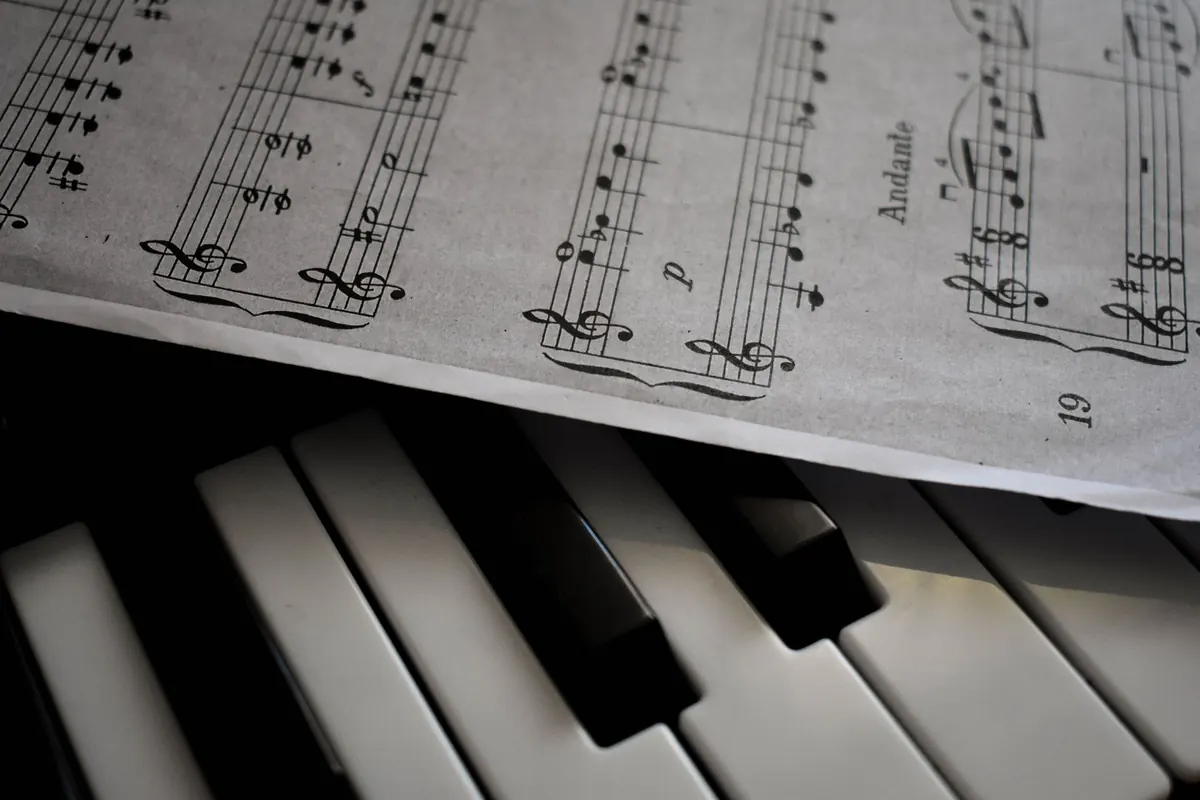
Beginner's Guide to Discovering Morning Classical Composers
Mornings have their own acoustics. The kettle ticks, the street is still half asleep, and your attention is softer than it will be at noon. Classical music can meet that mood without turning breakfast into a concert hall. The composers below write music that rewards a calm start: clear textures, unhurried tempos, and enough detail to keep the mind curious. You do not need a record collection or any theory. A streaming app, a radio station, and twenty minutes will do.
What Makes a Composer Right for Morning Listening
A good morning piece does not have to be slow. Bach's Brandenburg Concertos move briskly, but their steady pulse and transparent lines feel orderly rather than assaultive. The test is whether you can follow a single line — a cello, a clarinet, a piano — while making coffee. If you keep losing the thread because the music is shouting, save it for evening.
Look for three qualities: clarity, moderate dynamics, and a sense of space. Chamber music often works better than a full symphony at 7am. So does solo piano, unaccompanied strings, and small orchestral pieces. Mahler and Tchaikovsky can be wonderful, but their first movements often arrive with the emotional equivalent of a brass band at sunrise.
It helps to think in terms of texture rather than genre. A solo lute suite and a string quartet can both be morning-friendly if they leave room for thought. A piano concerto with a soft orchestral bed can work too, provided the brass stays in bed. The goal is not to avoid energy; it is to avoid being overwhelmed. You want music that accompanies your morning rather than competing with it.
Begin with Bach: Order and Clarity
Bach is the safest door into morning classical music because his music is both logical and humane. Try the Aria from the Goldberg Variations, then let the first three variations play. If your mind wanders, that is fine; the architecture will still be there when you return. The Cello Suites, especially No. 1, offer a single line that can feel like a quiet conversation. For a more active morning, the first movement of the Brandenburg Concerto No. 3 has a motoric energy that feels like opening windows.
If you prefer keyboard music, the Italian Concerto and the Partitas are excellent places to start. Do not feel obliged to listen to a whole work. Two movements are enough to set a tone. You might also try the Orchestral Suite No. 3, whose famous Air is calm without being sleepy, or a cantata movement such as "Sinfonia" from Cantata No. 156, which has a gentle, almost cinematic sadness. Bach rewards repetition: the same piece can feel different on a rainy Tuesday than on a bright Saturday.
Mozart and Haydn: Light Before the Day Gets Loud
Mozart and Haydn wrote music that is sociable rather than solemn. The second movement of Mozart's Clarinet Concerto is one of the most gentle things in the repertoire, and the Andante from his Piano Concerto No. 21 has a similar floating quality. For something brighter, try the opening of Haydn's Trumpet Concerto or the first movement of Mozart's Divertimento in D, K. 136. The Romanze from Eine kleine Nachtmusik is another obvious but effective choice, especially if you want a piece that feels familiar without demanding attention.
Haydn's String Quartets, especially the slow movements, are a treasure for beginners. They are conversational, witty, and rarely bombastic. The Emperor Quartet second movement is a set of variations on a melody you may already know. Mozart's Flute Quartets and Horn Concertos also fit a quiet morning, as does the Andante from the Sinfonia Concertante. These pieces do not ask you to feel anything grand. They simply offer a well-lit room for your thoughts.
Beyond the Big Names: French Miniatures and Quiet Romantics
Once you have spent a few mornings with Bach, Mozart, and Haydn, branch out into composers who specialize in atmosphere. Debussy's Clair de Lune is famous for a reason, but his Arabesque No. 1 and Rêverie are just as useful before breakfast. Satie's Gymnopédies are almost too easy to love: slow, spare, and slightly melancholy, they make a kitchen feel like a Parisian apartment. Fauré's Pavane and Requiem — especially the Pie Jesu — offer a gentle kind of grandeur.
Chopin's Nocturnes are another natural fit. Try Op. 9 No. 2 or Op. 15 No. 3. The left hand keeps a steady rocking pulse while the right hand sings, which gives your ear something to follow without overwhelming it. Schubert's Impromptus and Moments musicaux are similarly generous. For a slightly more modern morning, Arvo Pärt's Spiegel im Spiegel and Erik Satie's Trois Gnossiennes can create a meditative hush. None of this requires a degree in musicology; it only requires a willingness to let the music be background and foreground at once.
Build a Twenty-Minute Morning Set
If you are not sure where to begin, use a simple structure. It prevents decision fatigue and teaches your ear to move between moods. Here is a sequence that works well:
- Minute 0–5: A solo or duo piece. Try Bach's Cello Suite No. 1 Prelude or Satie's Gymnopédie No. 1.
- Minute 5–10: A slow movement from a concerto or quartet. Mozart's Clarinet Concerto second movement or Haydn's Emperor Quartet second movement.
- Minute 10–15: A short keyboard work. Chopin's Nocturne Op. 9 No. 2 or Debussy's Arabesque No. 1.
- Minute 15–20: A gentle orchestral piece to close. Fauré's Pavane or the Air from Bach's Orchestral Suite No. 3.
You can repeat this set for a week and then swap one piece at a time. Familiarity is not boredom; it is how you begin to hear details. The second time you listen to a piece, you may notice the bass line, the phrasing, or the way a cadence arrives. That is the beginning of active listening, and it can happen while you are buttering toast.
How to Listen Without Pressure
Morning listening should not feel like homework. You do not need to sit still, close your eyes, or identify every instrument. In fact, the best mornings often involve half-listening. The music becomes a frame for your routine: pouring coffee, opening a window, writing a first sentence. If a piece catches your attention, follow it. If it fades into the background, let it. You can always return.
Try this: choose one piece for the week and play it every morning at the same time. By Friday, you will know it in a way that a single concentrated listen cannot teach.
It also helps to keep a small note on your phone. When a movement or composer strikes you, write down three words: calm, sparkling, sad, hopeful, restless. Those words become your own map. Soon you will know whether you want Bach's order, Mozart's lightness, Debussy's haze, or Satie's stillness. That is a more useful skill than memorizing dates.
A Few Common Morning Listening Mistakes
- Starting with a symphony. A forty-minute symphony can be magnificent, but it often asks for more attention than a weekday morning allows. Begin with a movement, not the whole mountain.
- Choosing only slow music. Too much slowness can make you sleepy rather than calm. Balance adagios with a brisk Bach movement or a Haydn finale.
- Ignoring the recording. The same piece can sound delicate or heavy depending on tempo and ensemble size. If a recording feels bloated, try a smaller group or a historically informed performance.
- Feeling guilty about background listening. Background listening is not failure. It is how many people first fall in love with classical music.
Where to Go Next
Once you have a handful of morning favorites, follow the threads. If you like Bach's Cello Suites, try works by Telemann or Vivaldi. If Mozart's Clarinet Concerto moves you, explore his Flute and Harp Concerto or the Gran Partita. If Satie and Debussy appeal, move toward Ravel's Pavane pour une infante défunte or John Cage's In a Landscape. The path does not need to be linear. Curiosity is the only requirement.
Morning classical music is not about becoming an expert before noon. It is about finding a few composers who make the start of the day feel more spacious. Begin with Bach, add Mozart or Haydn, and let one French miniature slip in beside them. Twenty minutes is enough. The kettle will tick, the street will wake up, and the music will be there — clear, patient, and ready when you are.
Photo: Jana T. / Pexels