
Local Angle: The Best Morning Music for a London Commute
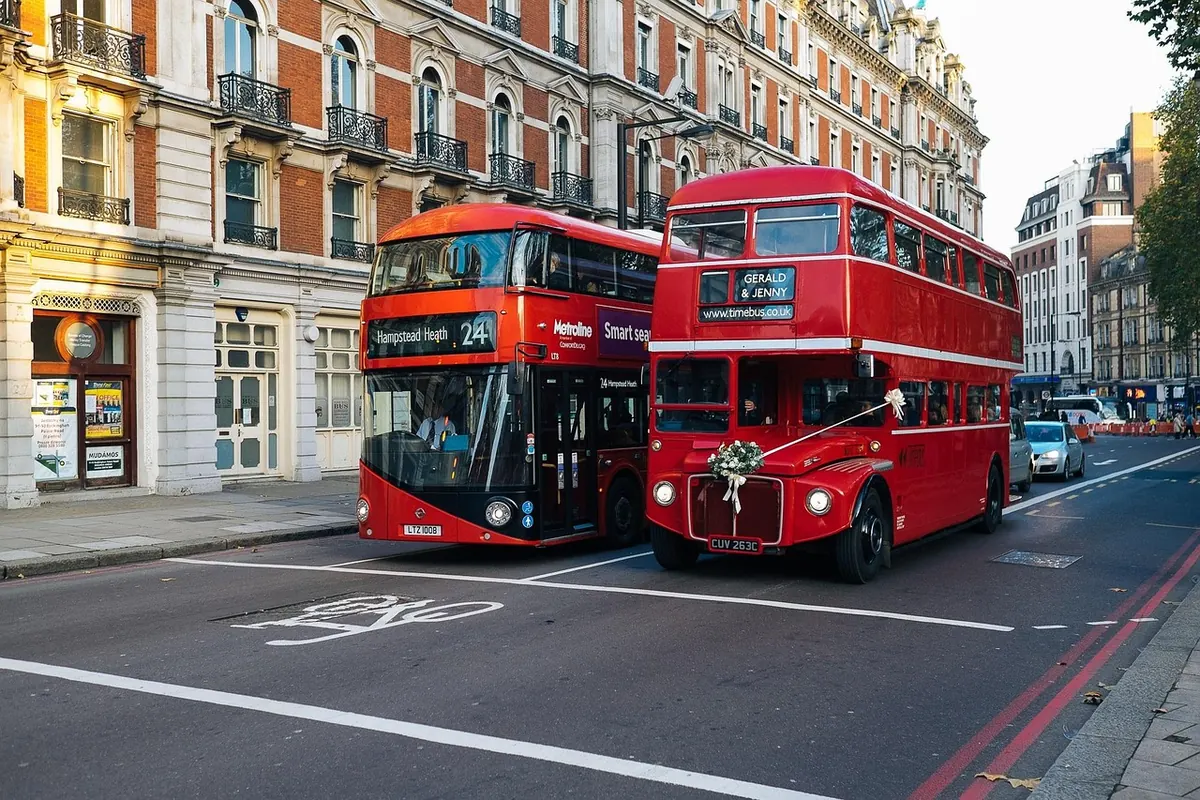
The Victoria line at ten past eight is not a concert hall, and nobody is pretending otherwise. But the right record at the right moment can make a packed carriage feel almost private. The trick isn't finding the "best morning music" in the abstract — it's matching the music to the bit of the journey you're actually on. A track that soars across the walk to the station will feel absurd wedged under someone's rucksack between Oxford Circus and Warren Street. So treat the commute as four small journeys, each with its own job, and build a playlist that knows when to hold back.
Match the tempo to the segment, not the genre
Time your own door-to-desk journey once, honestly, with a stopwatch or a phone in your pocket. Most London commutes break down into a handful of repeating segments, and each has a natural pace. Beats per minute is a rough guide, not a law — a slow song with a busy drum pattern feels faster than it is, and a fast song built on long held chords can feel calm. Use the numbers as a starting point and trust your own sense of the thing.
- Walking to the station (100–120 BPM): something with a steady, unshowy beat that encourages a decent stride without making you march.
- Waiting on the platform (60–90 BPM): the pause. This is where a quieter, more spacious track earns its place, because you can actually hear it.
- On the Tube (90–110 BPM): firm midrange, few surprises, low dynamic range. Detail gets swallowed down there.
- On the bus (100–125 BPM): warmer and more melodic. You have a window and a bit of patience.
- The final walk to the office (110–130 BPM, then easing off): start bright, end settled. You don't want to arrive wired.
The Tube: a sealed carriage needs a steady pulse
Underground, you're dealing with three things at once: a low rumble that eats bass, no view, and a tendency to hear your own breathing. Music that relies on fine detail — close-miked piano, breathy vocals, delicate hi-hats — simply disappears into the noise. Save it for the street.
What survives is music with a strong middle and a pulse that doesn't demand your attention. Think of it as a floor rather than a ceiling: something to stand on, not something to look at. Vintage soul, dub, light Afrobeat, ambient jazz, restrained electronic music and instrumental hip hop all do the job. Khruangbin, Alice Coltrane's gentler records or a Curtis Mayfield run will carry you through a couple of stops without ever asking for a decision.
Volume matters more than taste here. If you're pushing over-ear headphones hard to beat the carriage noise, you're asking for trouble. Ringing or muffled hearing after a commute is your cue to turn things down, and if it persists, get it checked by a professional rather than waiting for it to pass.
Two Tube rules worth keeping
Keep tracks under five minutes. Long pieces get chopped in half by a change at Euston, and you'll start resenting the interruptions. And avoid anything with a spoken-word intro — you'll never hear it properly, and you'll hear it eight times a week.
The bus: where a chorus earns its place
The bus is the forgiving leg. You have a seat, a window, and the possibility of watching the city wake up. This is where you put the song you'd be slightly embarrassed to sing along to, because nobody can see your face properly and the engine covers a certain amount of humming.
Buses also run late, which changes what you need. Build in a short buffer of three or four tracks that don't mind being interrupted mid-flow — anything with a repeating structure rather than a big narrative build. If the 29 is stationary on Camden Road, you want company, not a climax.
The walk is the only segment you control
On foot, you set the tempo. Open with something that matches your natural pace rather than fighting it; matching a beat to your stride makes the walk feel shorter and stops you speeding up unconsciously. Then use the last five minutes deliberately. Bring the energy down, not up. Ending on something frantic means walking into the office with your shoulders round your ears and your first email already answered badly.
A useful shape: two tracks that move, two that settle. Nick Drake, Nils Frahm or a slow Sault track can carry you through the final stretch and leave you arriving like a functioning adult.
Weather, light and the London variable
January mornings and June mornings need different playlists, and pretending otherwise is why the same mix stops working in week three. Dark, wet and cold calls for warmth and low end — soul, dub, jazz with some weight to it. Bright early sun calls for space: acoustic instruments, airy vocals, less compression. A rainy Tuesday is not the day for a brittle electronic record, however good it is.
Then there's the diary. If your first hour is a meeting where you have to think, go instrumental. Lyrics in the morning occupy the same part of your head as sentences, and you'll arrive with someone else's words crowding out your own.
Build it tonight: a practical running order
- Check your door-to-door time. Most Zone 2 to Zone 1 journeys run somewhere between 40 and 60 minutes, so 45 to 50 minutes of music is usually the right length.
- Write the segments down in order: walk, platform, Tube, walk, and add the bus if it's part of your route.
- Pick two or three tracks per segment rather than twelve. Fewer, better-chosen songs survive repetition far longer.
- Order them so neighbouring tracks contrast in texture but not in tempo. A jump from 80 BPM to 140 BPM feels like a mistake.
- Let it run out. Silence on the last two minutes of the walk is fine, and it stops the playlist feeling canned.
- Keep a second, shorter mix for the mornings you're late. Ten minutes, no decisions, no ballads.
Keeping it alive, and a word about your fellow passengers
Don't rebuild the playlist. Swap one track a week — replace whatever you skipped twice — and it will stay useful for months. Skipping is the only reliable signal that something has stopped working, so pay attention to it rather than defending your own choices.
One practical note for anyone with a commute: if you can hear the music leaking from the headphones of the person next to you, they can hear yours. Check yours at the door, once, and then forget about it. Nobody is judging your taste at 7:40 in the morning; they're all just trying to get to work in one piece.
The best morning playlist for a London commute is the one you don't have to think about before you've had breakfast. Build it on a Sunday evening, let it match the journey rather than your mood, and it will do more for your mornings than any amount of willpower.
Photo: philippreiner / Pixabay